How do we bring new people to WordPress?
How do we bring new people to WordPress? Community voices from WordCamps share ideas on education, ownership and long-term growth.
During our time at WordCamps this year, one theme kept coming back – sometimes directly, sometimes between the lines: sustainability. Not in terms of tools or products, but in terms of people. So, within our #MiniExcerptTalks sessions, we asked a simple question to community members across different countries, roles and levels of experience:
What do we, as a WordPress community, need to do to strengthen WordPress and bring more young people into it?
With initiatives like Learn WordPress, Campus Connect and WP Credits already in motion, it’s clear that the ecosystem itself recognizes the challenge. We don’t just need growth – we need continuity and new perspectives, new contributors, new builders. People who can benefit from WordPress not only professionally, but personally, getting familiar in using an open platform they can grow with.
What stood out in these chats wasn’t a single solution but a shared understanding that this isn’t a one-dimensional problem. Education, events, ownership, visibility, openness and human connection all play a role. Here’s what community members from different parts of the world had to say.
How to bring new people to WordPress?
During WordCamp Vršac, we talked to both local community, guests and organizers and here are some of their thoughts on this matter.
Nikola Dimitrijević, web developer: Well, the idea of kids’ camps is a good idea to start, lobbying from a young age. I don’t know, maybe to organize some meetups, some workshops on universities, colleges, or even high schools or primary schools, that would bring young adults to WordCamps and other social meetings that involved people from the WordPress community.
Aleksandar Pasku, WP creative and consultant: Well, building community, real community, is never about some things, only some things. It is about content, but not any content. It’s supposed to be really human content. You can get knowledge everywhere on internet. That’s not the problem. You don’t need to come to WordCamp, any or especially Vršac for that. But something that you cannot get watching the tutorials, reading books, or whatever is this networking part, this atmosphere, this energy, this synergy between people that are gathered here. If you saw the smiles on the faces of the people, and I know you did, you’re smiling right now as we talk, this is something that people definitely will remember that will motivate and engage them to, spread the spirit and to build the community even more.
Vineet Talwar, tech consultant: Actually, talking about it a bit more, the problem, if you remember in WordCamp Europe last time, Matt said there is one problem right now with the WordPress community – the age. New people are not getting attracted. I saw that the WordPress community is doing great with the Campus Connect program. They’re reaching out to colleges to attract people, and probably if it gets part of the curriculum of the universities, I’m sure we’ll get to attract more people, at least the young crowd. And the Campus Connect is a fantastic initiative, I must say. And WordPress community meetups and WordCamps like this are the heart of this.
WordCamp Lithuania and Gdynia
During September, we had a bit more time and WordCamps we attended and thus talked to a bit more people involved. Here are some of their answers.
Remkus de Vries, Within WP: I think the disconnect between WordPress and young people is mostly due to the fact that young people nowadays are growing up in closed systems, in social media chambers that haven’t pushed them to look for their own independence, their own privacy and therefore, it’s very difficult for them to see what WordPress brings to the table. I don’t have an answer in how that needs to be solved other than we need to continue to talk to these people, ’cause at one point, they’re going to understand the importance of what it is that a platform like WordPress offers. It’s a very difficult one and I think, you know, certainly looking at the last 10 years, you can see the decline of new people entering WordPress from a young age. There’s still people joining, plenty and potentially with AI, becoming more and more mature, it’s going to be easier for them to switch over and switch into. But if you don’t understand the concept of why owning your own data and building on top of that is the most valuable thing to do, it’s very difficult to reach those people.
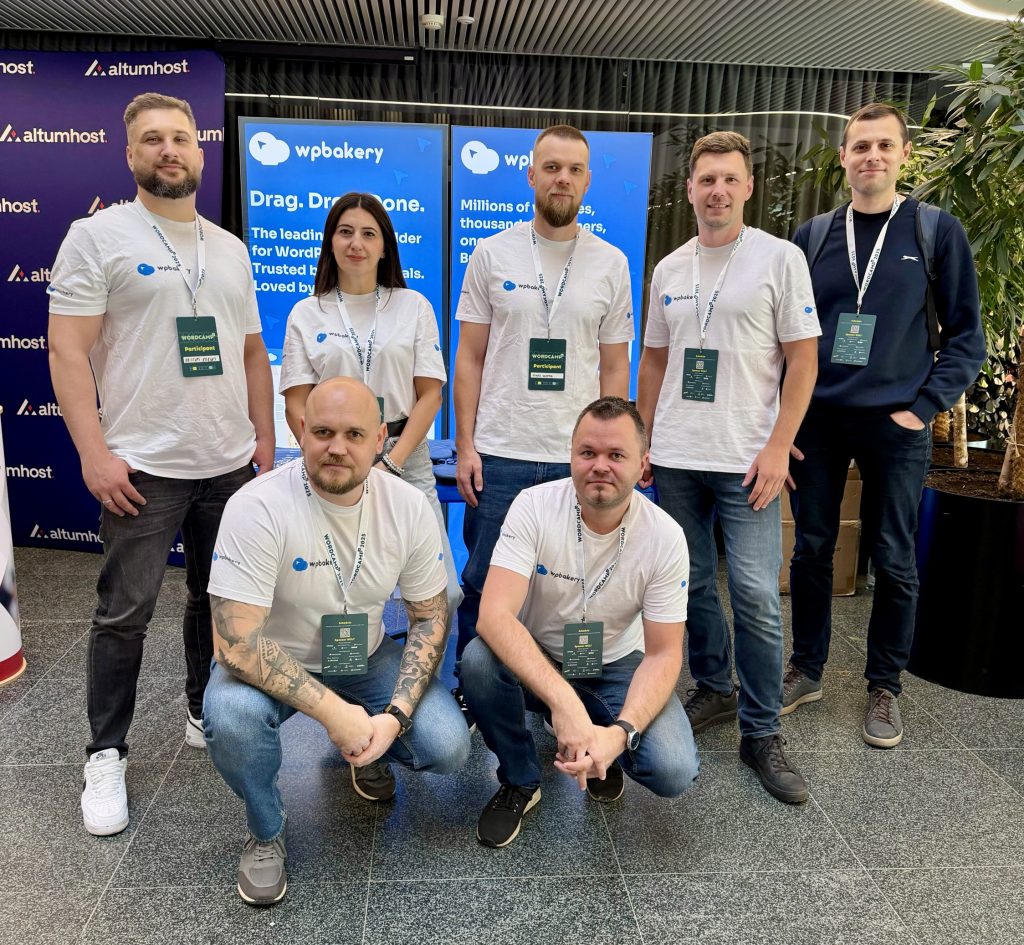
Sebastian Miśniakiewicz, SEO Profi: Well, when I started organizing WordCamps, I saw that many people think that WordCamp is only for those who are dealing strictly with code, so I mean our developers or webmasters. But almost every second website is based on WordPress. It means that there are plenty of people around us who are using WordPress while at the same time not being developers and webmasters. So, in my opinion, we have to build a kind of bridge between developers and webmasters and the people who are not aware that such events like here when we are at WordCamp Kaunas, Lithuania, take place. So, if you are not familiar with WordPress and want to get a bit closer to this, please visit any WordCamp and you will see that it is worth it.
Dennis Ploetner, Syde: That’s a very good question. Also, the principles may be also an important point how important blocks are still in the ecosystem right now, websites in general, in AI era and, where we think about agents going for us, searching for information. And you’ll think then about, okay, is a website still a relevant thing? And how can I get a young person to accept that writing might still be important or creating, content might still be important. There is a program right now, the WP Credits, initiative that might be a first good step for getting younger people on board on WordPress.
Robert Abela, Melapress: given the fact that we all work within a WordPress ecosystem, what do you think we need to do to strengthen the community and bring more new and young people in? Yes. I think this week I took my first big step. I did a talk this week, I gave a presentation. It was quite good. And I think that’s also one way how to help because by talking about WordPress, you make people more aware and of course connect with more people. One thing that I like especially you don’t have to talk, but even by attending WordCamps, you meet a lot of people and you make a lot of friends. In regards to outside WordPress, bringing more people, I think it’s good to also attend… We, we’ve been doing it this year, to also attend conferences that are not just WordPress specific. And there you meet more people from different backgrounds, different software, and there’s a lot… Open source is not just WordPress. There’s much more around it. So, you meet a lot of people there as well.
Christian Taylor, entrepreneur: This is a loaded question. I have two thoughts here. For strengthening the community in general, I’m very biased. I love WordCamps. I love events. But I think we need, we need more people coming to events. So, if you’re watching this and you’re on the fence or you haven’t been to a WordCamp in a while, please join one soon, because we.. There’s strength in numbers. We need more people showing up and then the value proposition for the WordCamps continues to increase. As for bringing more young people in, I don’t know. I don’t claim to have the answer there. Historically, I’ve thought maybe we could use some more brand awareness marketing around WordPress. Private closed source solutions like Wix and Squarespace are doing a great job at this. WordPress, maybe not so much. But number one, that’s a big challenge, because WordPress is open source. You know, who’s gonna fund it? Everyone wants to talk about their own product. Number two, I don’t know if young people care. That’s another part of this conversation, is maybe we need to educate them more on open source, why you should care about owning your data, owning your platform. So there. That’s a very deep question, and I do not claim to know all the right answers, but those are just some of my thoughts.
Bogdan Radusinović, Melograno Ventures: From, from my perspective, maybe the best option would.. just don’t be shy. Attend the WordCamps, attend the speaking sessions, after parties and side events as well, and just be yourself. People here, like, really want to talk with, with each other, and they really like, hanging out with the people. And from there, maybe that’s the great start to do the promo of the community itself. For example, we are now here in Gdynia in Poland, and it’s a very good option that for the first time, we went outside of our own country for one of the local WordCamps, because it’s bilingual. So yeah, just, just relax, grab a ticket, and, and then just come to any of the WordCamps or side events.
Maciek Palmowski, Patchstack: I mean, I think that this is becoming a more more of a problem lately. But I’m very happy that, especially as lately as Sorry. Oh, okay. Well, I’m very happy that lately at WordCamps in Poland, we started those WordCamp for beginners. So we are introducing more and more young people that are just starting their adventure with WordPress so they can just give it a try. But also, like, visiting WordCamps is always, very good ideas because you can meet new people, you can network, you can find some new solutions.
Wojciech Babicz, SmartHost: WordPress is known enough, I think. So, if there is an event like this, like WordCamp, many people come to see what is this. And I think, this is enough, but it is important to, propagate the WordCamp, information about WordCamps.
Why initiatives like these matter
What connects all of these perspectives is not a call for more tools, but for more opportunities. Initiatives like Learn WordPress, Campus Connect and WP Credits lower the barrier to entry for people who would otherwise never consider WordPress as an option – especially younger generations growing up inside closed platforms and ready-made solutions.
They offer something that tutorials alone can’t: structure, mentorship, real-world context and a sense that there is a place for you here – even if you’re not a developer and even if you’re just starting out.
For us at WPBakery, this isn’t something we want to observe from the sidelines or only talk about when the topic comes up. This year, we made a conscious decision to get more involved in a practical way. One of our team members is accepted as a mentor in the WP Credits program and we will be providing free WPBakery licenses to students taking part so they can build, experiment and learn using our plugin as well.
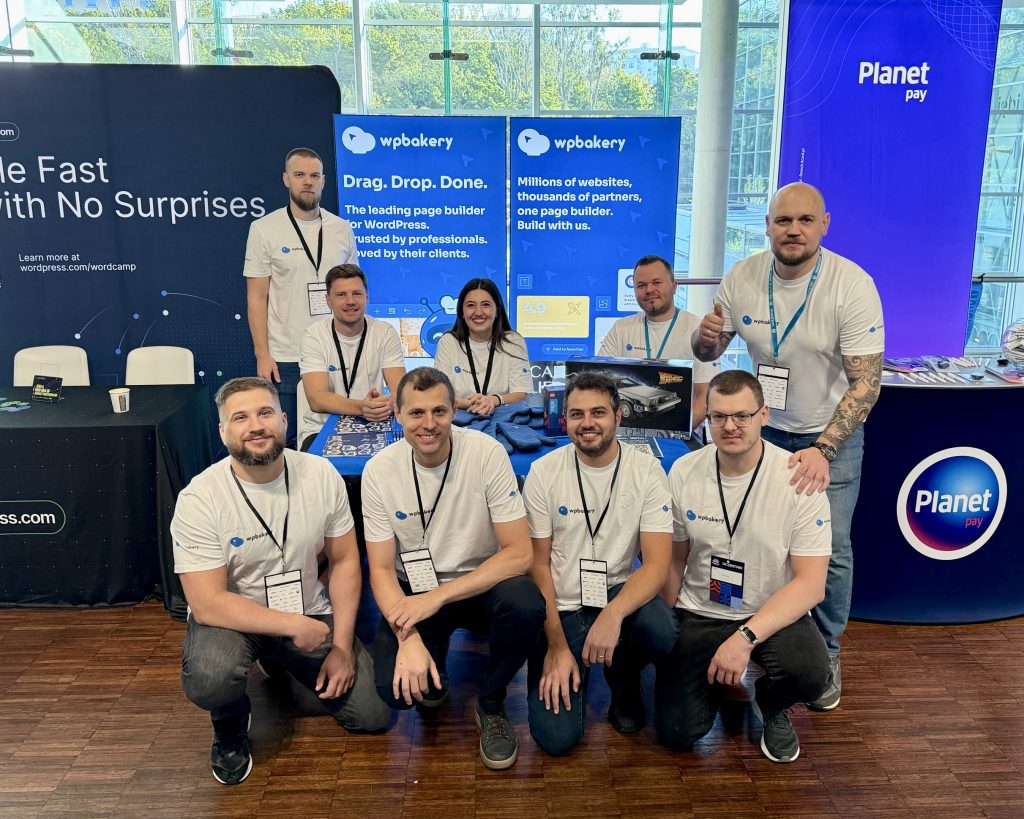
It’s a small but an intentional step because supporting the future of WordPress isn’t just about visibility – it’s about participation.
Conclusion
There’s no single action that will suddenly bring a new generation into WordPress – and that fact alone may be the most important insight of all.
What we know that strengthens this ecosystem is consistency: showing up at events, opening doors through education, creating space for beginners and continuing to explain why open platforms, ownership and community still matter in a world optimized for convenience. And WordPress has always grown because people invested time, not just code.
What are some of your thoughts on this topic? Share with us in our Community.
