Web design trends 2027
Creating a website with AI is becoming easier. That is where we expect web design to move in 2027. Over the last couple of years, we have been sharing the upcoming trends and this year is not going to be an exception.
 At WPBakery, we think that AI will become more connected to the tools we use, while businesses will put greater attention into the details that make their websites feel distinctive and credible.
Our web design trends for 2027 include:
- MCP: Conversational website design and maintenance
- AI web design with a visible human touch
- Asymmetrical layouts
- Expressive typography
- Bold website branding
- Real photography
- Conversational content for AI discoverability
- Unique content and data-driven insights
Some will change how websites look. Others will change how we build them and how people discover them.
MCP: Conversation website design and maintenance
AI can explain how things can be done. MCP, on the other hand, can help AI to do those things for you.
The Model Context Protocol (MCP), is an open standard that connects AI applications with external tools and data. For website owners, this creates a more direct relationship between AI of their choice (e.g., Claude, ChatGPT) and their website.
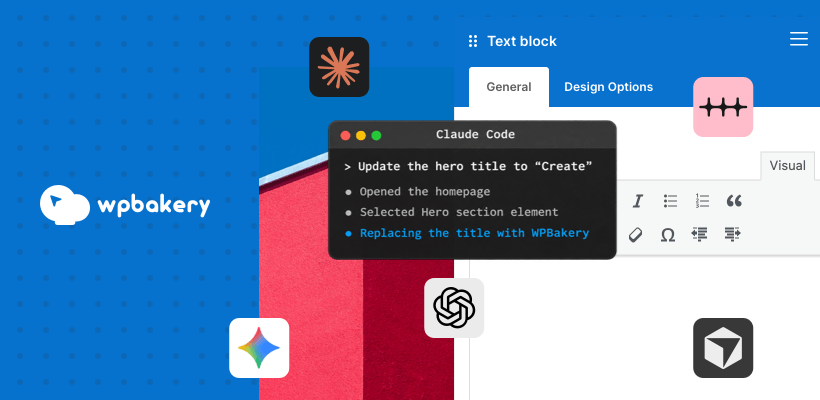 In 2027, we expect connected AI workflows to become a more important consideration when choosing website tools. Agencies will look beyond what an AI assistant can generate and ask how it fits into their existing production process.
For WordPress, this is already taking shape. WPBakery MCP lets compatible AI clients create and edit pages, adjust layouts and responsive settings, and generate custom elements. It is available through the WPBakery AI plugin with an active Support Plus subscription.
With MCP, agencies, developers, and also end clients can work faster and more efficiently while also reducing the costs.
AI web design with a visible human touch
When more businesses have access to similar AI tools, the decisions made around those tools become more valuable.
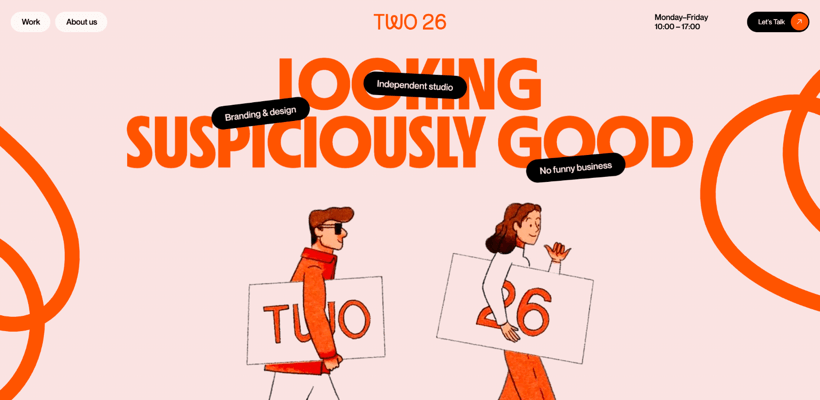 In 2027, we expect websites to show more evidence of the people behind them. Custom illustrations, handwritten annotations, and small visual irregularities can add this human touch that is so much needed in the era of AI.
However, human touch goes beyond that.
It also means choosing which message deserves attention, removing an unnecessary section, and replacing AI-generated text with something your brand would actually say.
This is where AI web design meets human-centered design. A generated page still needs to work for the people using it. Does the visitor understand the offer? Can they find the information they need?
AI can help explore alternatives and produce a first version, but human oversight is needed to define and lead the direction.
For businesses, the practice is to treat AI-generated content as a raw material that requires a final touch.
Asymmetrical layouts
Symmetric layouts are great, but they are also very generic – with AI fatigue in place, it could feel less personalized.
An asymmetrical layout introduces balance through unequal elements. A large image might sit beside a short paragraph. A headline could stretch across most of the page.
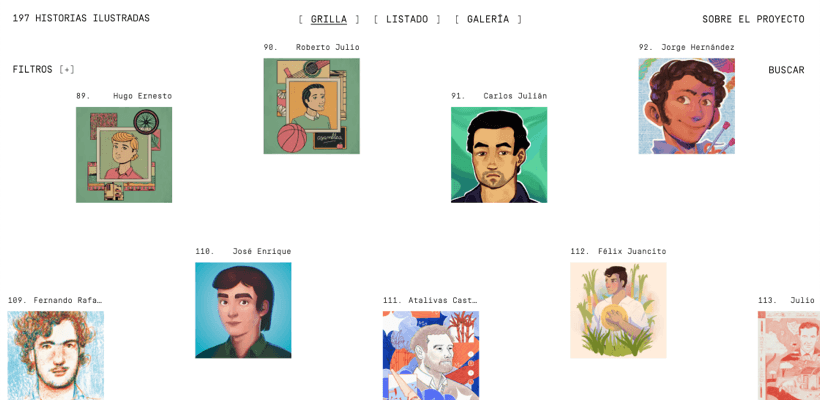 In 2027, we expect more businesses to use this approach to bring an editorial feel to their websites. Agencies, portfolios, and product brands have room to experiment with composition while keeping their content familiar.
Asymmetric layout often gives elements room to speak and create the focus on what is really important.
As for the challenges, in asymmetric design, responsive design matters a lot. An arrangement that feels balanced on a desktop needs a proper stacking order on mobile.
Expressive typography
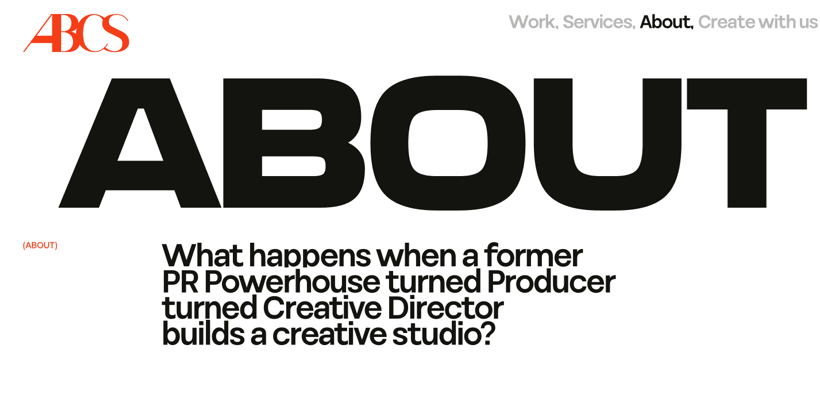
In 2027, we expect expressive typography to take a more prominent role in website design.
Large headlines, bold fonts, and unexpected combinations will give brands more ways to build recognition.
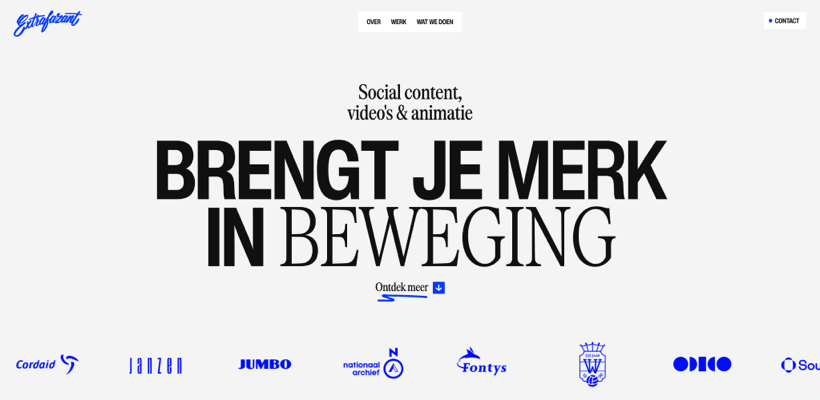 A short headline can become the main visual element of a page. A carefully chosen typeface can make a business feel technical, established, playful, or independent. Research shows that 46% of website visitors are impacted by the typography choice in relation to brand perception.
The important decision is where to use that expression. Headlines offer room for experimentation. Product details, navigation, and longer paragraphs need comfortable reading.
Bold typography should help visitors understand the message. On the technical side, expressive typography must be aligned with the responsive design as well as support overall usability.
Bold website branding
A logo in the corner is only the beginning of website branding.
A recognizable brand identity comes through the entire experience: color, typography, photography, illustrations, language, and the way content is arranged.
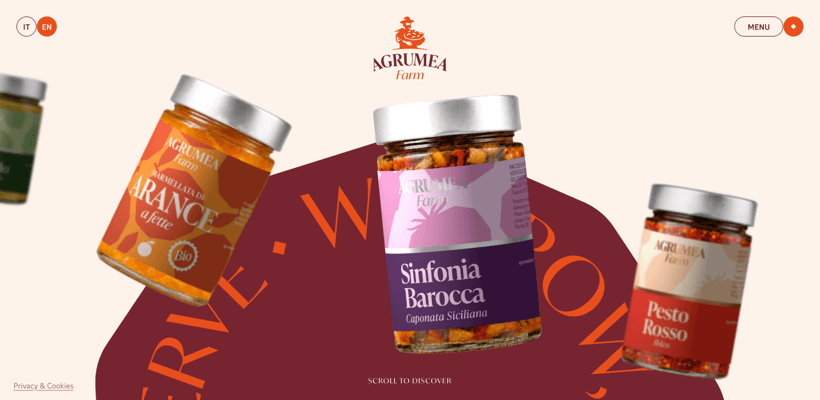 In 2027, we expect businesses to put more effort into connecting those choices. As website production becomes more accessible, a consistent identity gives companies a practical way to distinguish their work and also feel less AI-generated.
This does not require every brand to become loud. A restrained website can have a strong presence through a particular typeface, photographic style, or an unusual use of space.
The devil is in the details – and consistency.
Real photography earns more space
AI-generated images give businesses a “quick” content. Real photographies give more – the story and branding.
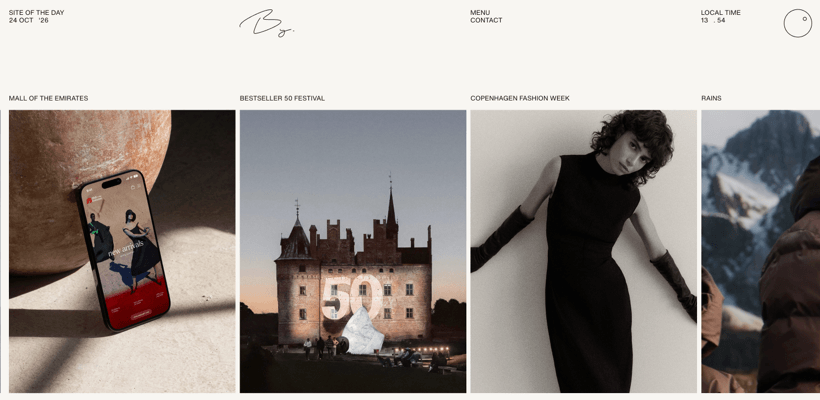 In 2027, we expect more brands to make room for photographs of their people, workplaces, products, and everyday processes.
A restaurant can show the team preparing food. A manufacturer can document production. An agency can share the people involved in a project and the work as it develops.
These images provide information as well as the stories behind the companies.
Brand photography also becomes more useful when planned across the website. A single session can produce material for service pages, team profiles, case studies, and support content.
Conversational content supports AI discoverability
Today, people ask detailed questions when choosing products and services. Website content should make the answers easy to find.
 In 2027, we expect more websites to organize information in a format of frequently asked questions. This gives conversational content a practical role in AI SEO, also called generative engine optimization.
A heading such as “How do I set up my Rode Mic to start a podcast?” defines a specific goal and an answer.
While everyone is talking about AI SEO, Google emphasizes that for an AI Overviews and AI Mode, businesses need to continue following the SEO practices already defined.
Write in the language customers use. Explain unfamiliar terms. Give each section a specific purpose, and answer the question before expanding on it.
Unique content and data-driven insights
A website becomes more valuable when it shares information people cannot find elsewhere.
In 2027, we expect businesses to invest more in original research, first-hand experience, and data-driven content. Customer surveys, product tests, internal benchmarks, and detailed case studies give companies something specific to contribute.
 An agency could publish findings from the websites it manages. A manufacturer could share product testing results. A software company could explain which changes improved performance, supported by measurements and a clear methodology.
This also changes how websites present information. Research needs readable charts, useful comparisons, and clear explanations of where the data comes from.
Knowledge bases have a place here, too. Documentation becomes more useful when it includes practical examples, tested solutions, and insights from real customer questions. In 2027, we expect businesses to structure this knowledge for both visitors and AI assistants, with clear answers, relevant context, and regularly updated information.
For businesses, the starting point is often information they already have. The opportunity is to identify what is useful, validate it, and make it accessible through their website.
Which web design trends should you use in 2027?
Start with the part of your website that needs improvement.
If the site feels interchangeable with competitors, review its branding, typography, and photography. If visitors repeatedly ask the same questions, improve the content and knowledge resources. If routine updates consume too much time, explore connected AI workflows via MCP.
A trend becomes useful when it helps solve a problem.
You can begin with one page or section, review how people use it, and apply what you learn elsewhere. A focused improvement is often enough to establish a better direction.
We are there to help you out.