Case study: How WP Dev Desk built a website a rural nonprofit could finally run on their own
The Wellness Coalition of Rural Linn County had no website at all. No way for community members to find them, no place to post events, no resource library for people who needed help. WP Dev Desk built one from scratch using WPBakery and handed it over to a non-technical team that now runs it entirely on their own.
WP Dev Desk: a white-label WordPress agency building sites that clients can actually manage
WP Dev Desk is a US-based white-label WordPress agency founded by Nakul Chandra. They work with agencies and direct clients across a wide range of industries, specializing in WordPress builds that don’t leave clients dependent on a developer for routine updates.
Nakul’s approach is shaped by a clear belief: a site isn’t done when it launches. It’s done when the person running it can do so without picking up the phone. That idea drives how WP Dev Desk configures every build, from page structure to editor permissions.
WPBakery is a regular tool in their workflow for projects where clients need visual editing control and ongoing campaign management.
Project overview
| Item | Details |
|---|---|
| Client | Wellness Coalition of Rural Linn County, Iowa, USA |
| Agency | WP Dev Desk, White-Label WordPress Agency |
| Scope | Brand-new website build from scratch, multi-audience community health platform, multiple simultaneous awareness campaigns, client self-management from day one, scalable structure for ongoing program growth |
| Tech stack | WordPress, WPBakery Page Builder, custom CSS, custom post types, Contact Form 7 |
| Site | wellnesscoalitionlinn.org |
The challenge: building from zero, for people who don’t have time to learn a CMS
The Wellness Coalition of Rural Linn County is a community health organization in Iowa, serving six rural communities: Alburnett, Center Point, Central City, Lisbon, Mount Vernon, and Springville. Their work covers substance use prevention, mental health support, Naloxone (Narcan) access, and ongoing awareness campaigns tied to national health dates and school seasons.
When they came to WP Dev Desk, they had nothing online. Community outreach happened through printed materials and word of mouth. Parents looking for resources couldn’t find them. Events had no central place to be listed. People who needed help had nowhere to go.
The site needed to do a lot at once. It had to speak to parents, youth, educators, and community partners, all with different needs. It had to support multiple active campaigns throughout the year, each with its own visual identity. And it needed to stay current, which meant the content calendar would always be moving.
The biggest constraint wasn’t the design. It was who would be maintaining the site after launch.
The coalition’s program coordinator handles the day-to-day: community outreach, event coordination, campaign communications. Web management wasn’t in the job description. But calling a developer every time an event needed to be updated, or a new campaign banner needed to go live, wasn’t going to work for a small nonprofit on a tight budget.
As Nakul puts it:
“The site had to work for someone with no technical background and limited time to spend learning a new system.”
The coalition needed a structure that could support multiple distinct campaign pages, a growing resource library, and a training and events section that stayed current, all without developer involvement every step of the way.
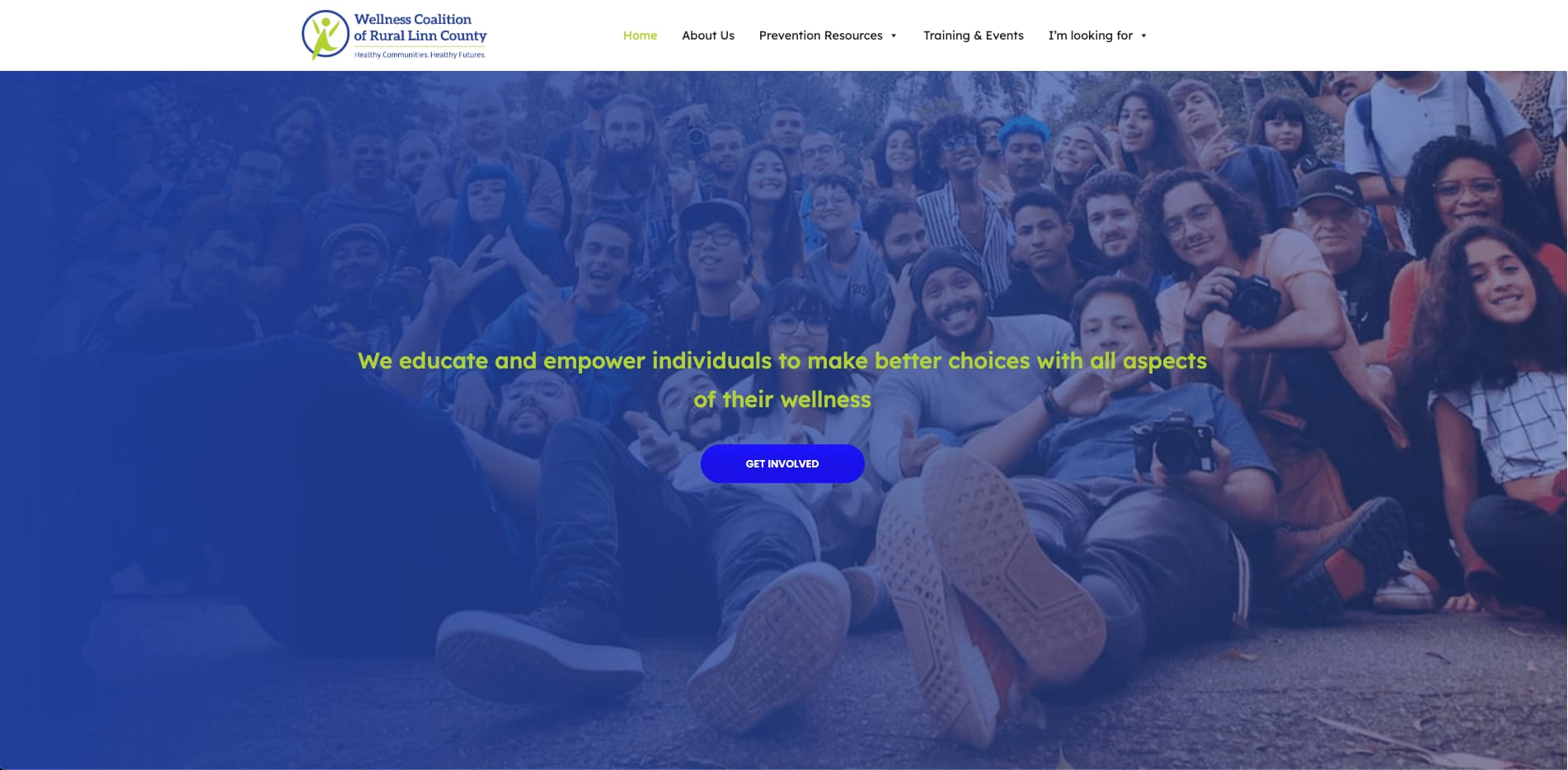
Why WPBakery
The decision came down to what the client actually needed to do after handoff.
Going fully custom with a bespoke theme was considered first. The problem was clear: the client would have been locked out of making any meaningful changes on their own. Every text edit or image swap would have required developer time, and for a nonprofit on a tight budget, that is not sustainable.
WPBakery was the right fit for two clear reasons.
The first was the campaign-driven nature of the site. The coalition runs multiple awareness campaigns simultaneously, each with its own visual identity. WPBakery’s drag-and-drop editor and Clone Page feature changed how that work gets done. A new campaign page can be built by duplicating an existing layout and customizing it, cutting build time from days to just a few hours. Campaign deadlines tied to national awareness days or school seasons are always met comfortably.
The second was the client’s editing experience. WPBakery’s frontend editor shows the page exactly as it looks live. Staff can click, edit, and save without guessing what the result will look like. For a coordinator who had never worked inside a WordPress dashboard before, that real-time view removed a lot of the risk from everyday editing.
As Nakul describes it:
“WPBakery gave us the best mix of flexibility for our team and simplicity for the client.”
WPBakery’s compatibility with WordPress user roles was also a factor. It made it straightforward to give the coordinator full access to content areas while keeping structural elements, theme settings, and plugin configuration completely out of reach.
When Nakul talks to other agencies evaluating tools, his answer is the same:
“It comes down to what your client actually needs to do after you hand the project over. WPBakery is genuinely good at making content editing accessible to people who are not technical.”
The build: a system built to grow
WP Dev Desk’s approach from the start was to build something reusable, not a collection of individual pages.
Saved WPBakery templates were set up for the two main page types on the site: the standard interior page and the campaign landing page. These templates live in WPBakery’s global template library. During the build they cut repetitive layout work significantly. After launch they give both the agency and the client a consistent starting point whenever a new page needs to be created. Per-page setup time dropped by an estimated 50 to 60 percent compared to building each layout from scratch.
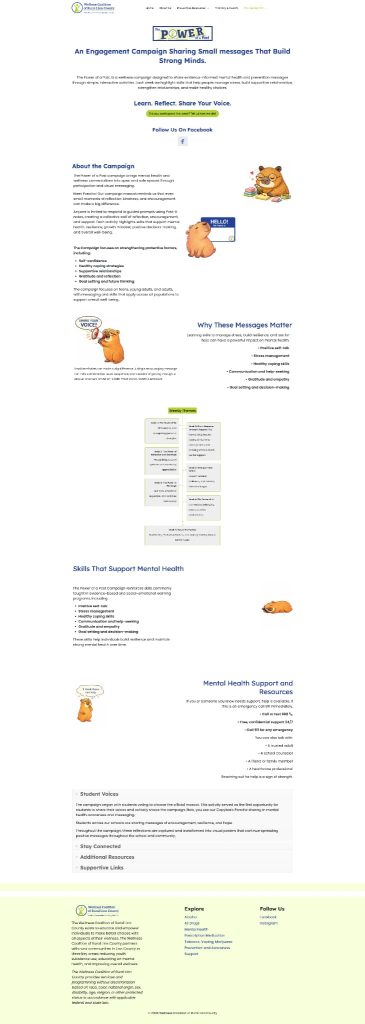
Four campaign landing pages were built using WPBakery’s drag-and-drop editor: Talk They Hear You, Power of a Post-It, Get Edu-CatEd, and RX Drugs Are Still Drugs. Each one has its own distinct visual identity. Custom CSS was layered on top of WPBakery layouts to achieve that distinct look, while keeping the underlying structure consistent across the site.
A custom shortcode-based campaign card element was also built for the coalition. Staff can add the shortcode, fill in the campaign title, image, and description, and the card renders correctly every time with no risk of breaking the surrounding layout.
Consistency across the site came from a combination of things. The saved WPBakery templates handled structural consistency at the layout level. A custom child theme with defined CSS variables for brand colors, fonts, and spacing kept those elements uniform even when staff edited within WPBakery. QA checks were run at key stages of the build to catch anything that had drifted from the design system before it compounded.
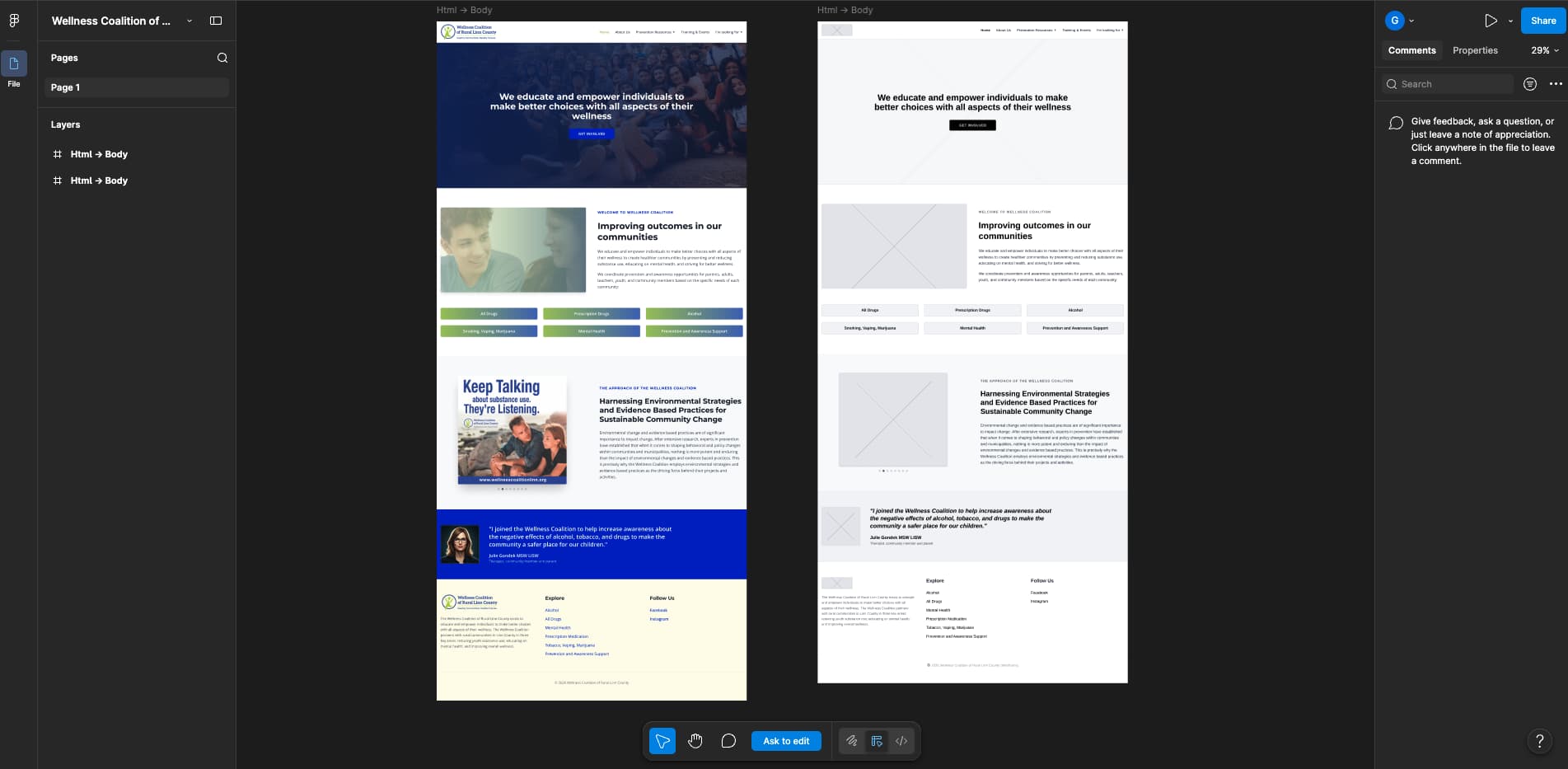
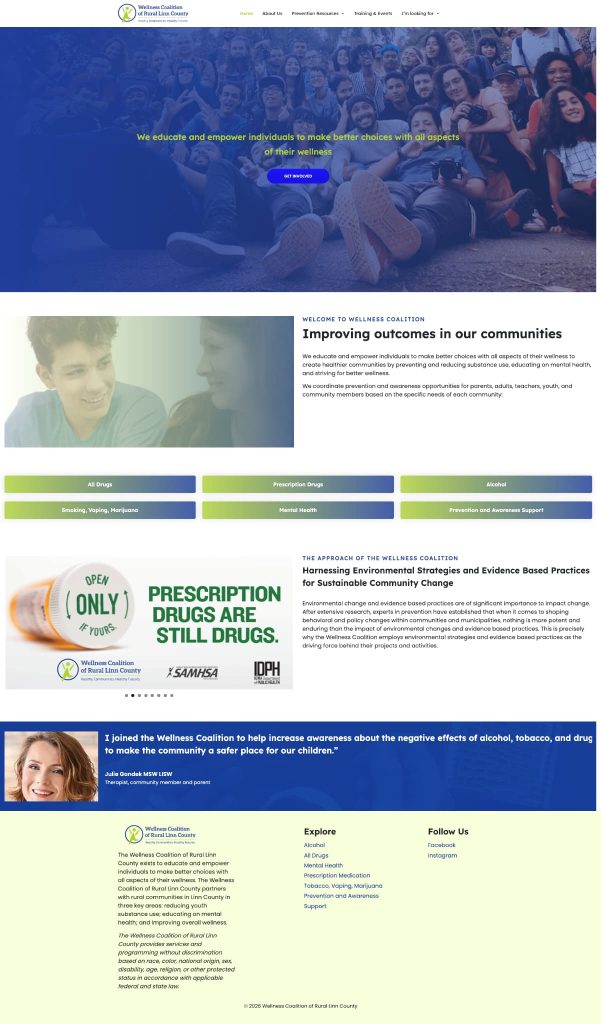
The homepage was the most demanding part of the build. It needed to introduce the organization, surface active campaigns, and guide different audiences to the right place quickly.
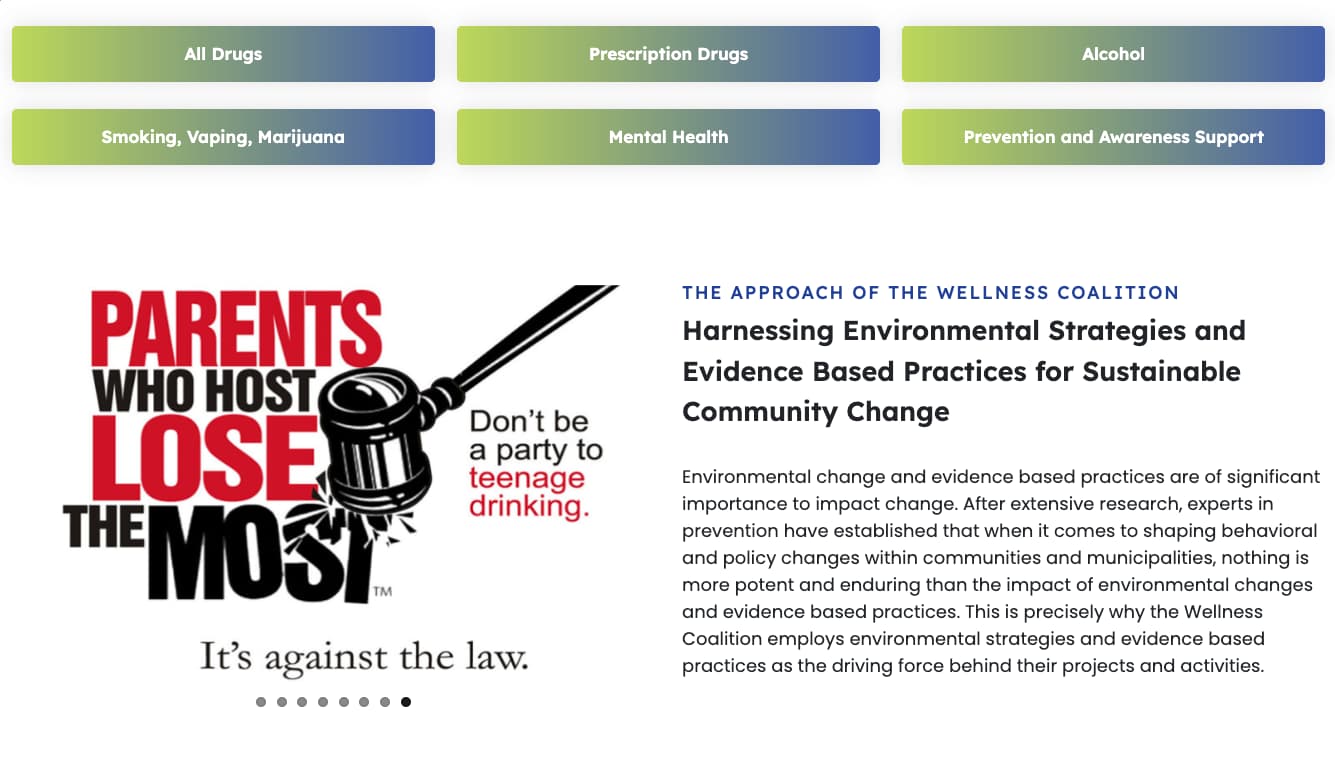
The full-width hero section was built using WPBakery’s row stretch option, with no custom CSS required. A six-topic grid covering All Drugs, Prescription Drugs, Alcohol, Vaping, Mental Health, and Prevention Support was built as a WPBakery column layout, with each card linking to its own sub-page. The campaign image slider was managed using WPBakery’s image carousel element, so rotating banners can be updated without any developer involvement. A testimonial block with a quote and portrait photo was styled using WPBakery’s text and media elements.
Standard WPBakery elements were used throughout the rest of the site as well: accordion elements for the resource and FAQ-style content, text and image content blocks across the About and resource pages, navigation buttons, and icon elements used across all sections.
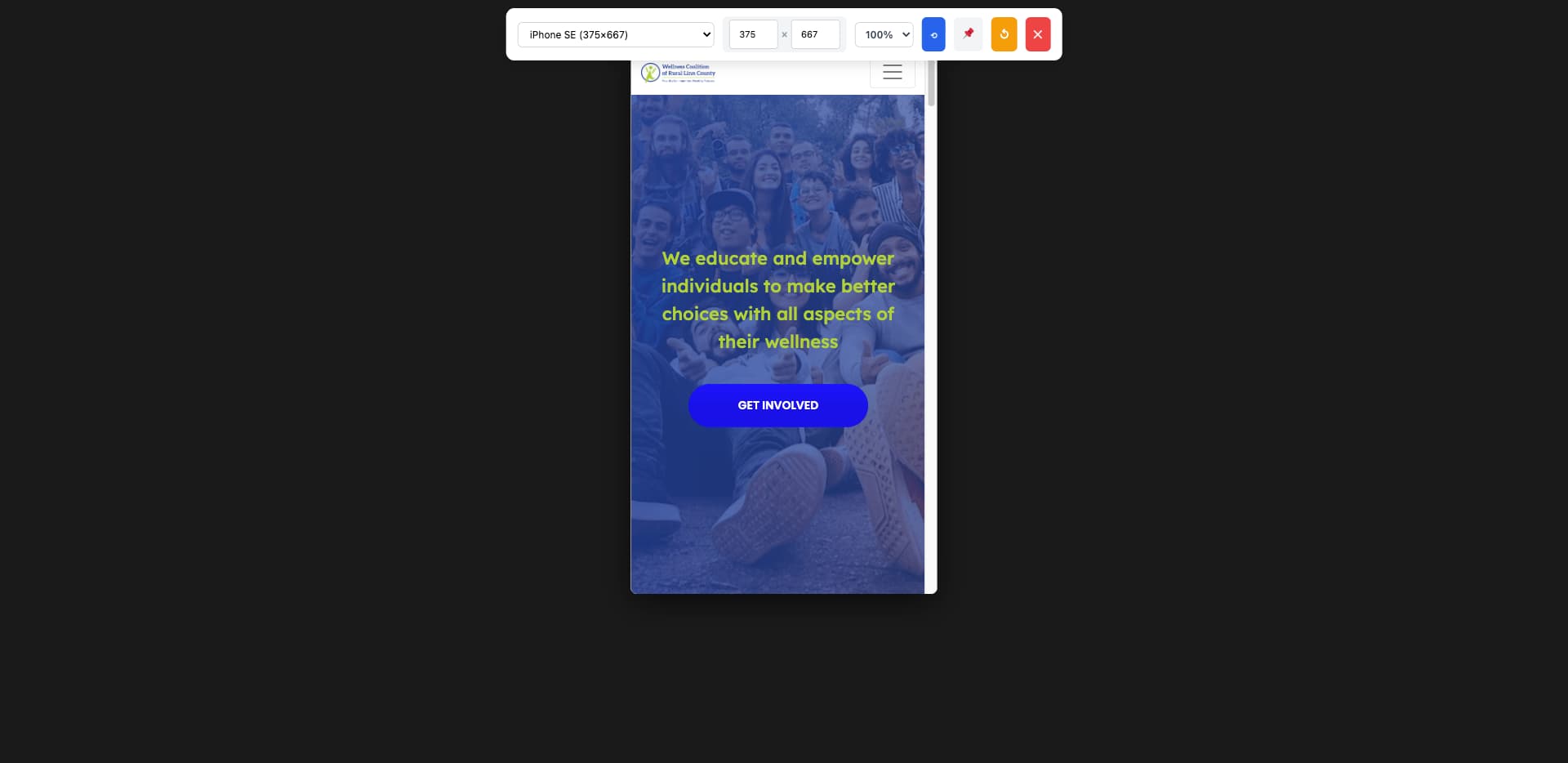
Mobile responsiveness across every page was handled using WPBakery’s native responsive controls. Column stacking order, font sizes, and element visibility per device were all set from within the editor. WPBakery’s device preview mode meant mobile issues were caught before publishing, not after. No extra CSS was needed to make layouts behave correctly on iOS or Android.
Training, events, and the resource guide were set up using custom post types. Content stays cleanly separated from page layouts, which means adding a new event or resource entry doesn’t touch anything structural.
Third-party tools, without the code
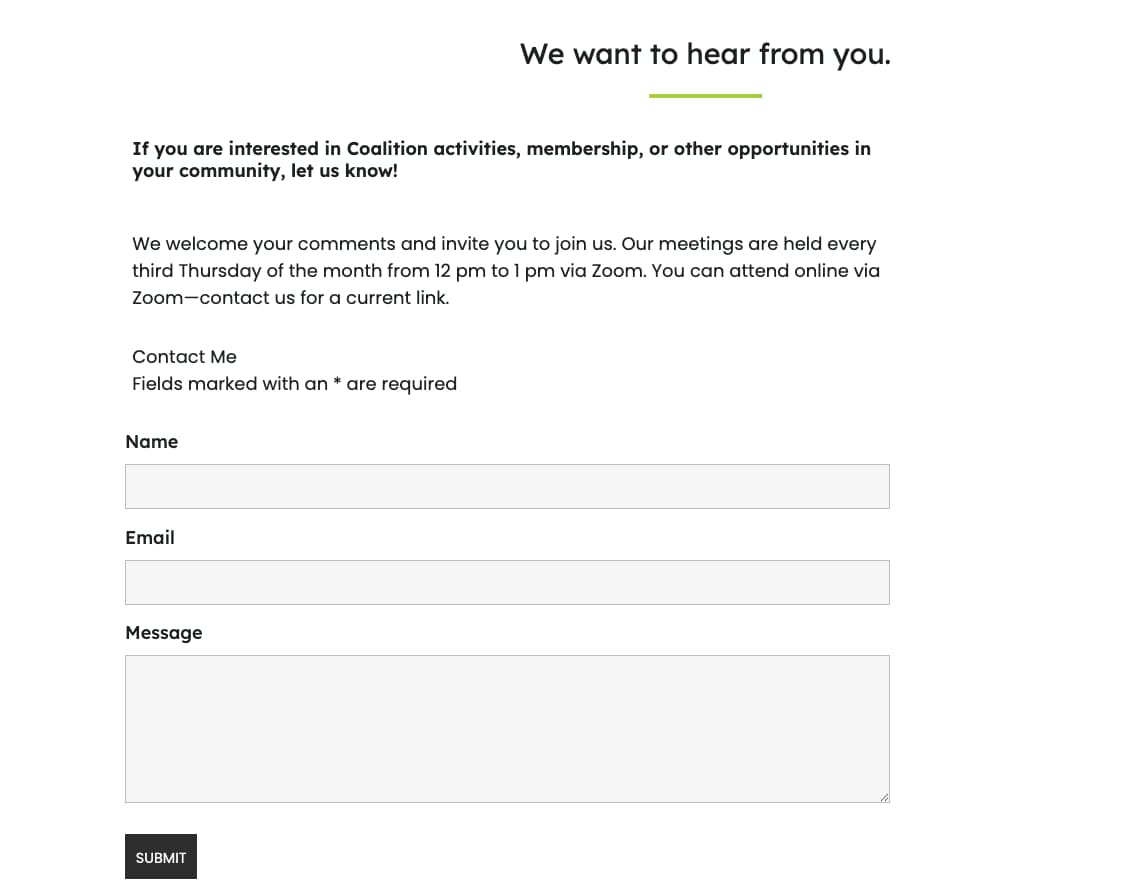
The site uses Contact Form 7 for forms, event registrations, and external resource links throughout. WPBakery’s Shortcode Mapper made integrating all of them straightforward. Any plugin shortcode can be dropped into a page as a drag-and-drop element, with no code editing needed. Contact forms were embedded in campaign pages and the contact page in seconds using WPBakery’s shortcode element.
WPBakery’s add-on ecosystem provided extended elements including counters, icon boxes, and info cards, all of which enhanced the site’s design without requiring custom development. All third-party integrations stay within the WPBakery visual editor, giving the agency one consistent place to manage everything.
Handing the keys over
Client training took two one-hour sessions. The first covered the fundamentals: editing text, swapping images, publishing posts. The second went into events, the resource guide, and campaign pages.
The editing experience was built around a simple idea: the client should be able to do what they need to do without worrying about breaking something. That meant locking down the header, footer, and navigation structurally, while keeping the content areas inside pages fully editable. Rows and sections inside WPBakery were labelled clearly so the coordinator could see exactly which part of the page they were working in.
A content editor role was set up in WordPress, giving the coordinator full access to posts, pages, and media while keeping them away from theme settings, plugin configuration, and anything that could affect the site’s overall structure.
Because WPBakery keeps content inside defined element containers, the surrounding layout stays exactly as built as long as editors work within those containers. The frontend editor reinforces this: the coordinator can see instantly if something looks off before saving, rather than discovering a problem after publishing.
Swapping a campaign banner image in the homepage slider takes minutes, not a support ticket. Updating Narcan access information, partner organization listings, and resource guide entries is straightforward in the WPBakery backend editor.
Within the first week after launch, the coordinator was handling all routine updates independently.
As Nakul describes the shift:
“Staff who had never logged into a WordPress dashboard are now publishing events and news posts regularly.”
For maintenance, WP Dev Desk runs plugin and theme updates on a scheduled basis. Updates are tested on staging before going live. WPBakery’s stable shortcode architecture means page layouts survive WordPress core updates without breaking. Post-update QA is done using WPBakery’s frontend editor, making it quick to visually check every major page after each update cycle. Across all maintenance cycles since launch, there have been zero client-visible layout failures.
The template system also protects the project long-term. Any developer picking up this project in the future can understand the structure quickly without needing a long handover.
It is worth noting what would have happened without this setup. A non-technical user with admin access and no guardrails can break a WordPress layout within minutes. Give someone full editing rights, skip the role restrictions, leave rows unlabelled, and the first time they try to update a campaign page they risk taking down the surrounding structure with it. For a small nonprofit without a developer on call, a broken page means community members hitting a dead end when looking for Narcan information or an upcoming event. The role configuration, clear container labels, and WPBakery’s element-based editing model meant none of that happened.
The finished site is live at wellnesscoalitionlinn.org.
The result: a community that can find them, a team that no longer needs outside help
For the Wellness Coalition of Rural Linn County:
- A full website built from zero, serving six rural communities that previously had no digital presence
- 5+ active campaign pages live and updated regularly by staff, with no developer involvement
- The program coordinator was independently managing content within the first week of launch
- Routine content requests to WP Dev Desk dropped to near zero after handoff
- All forms, sliders, and shortcodes embedded visually with no custom code
For WP Dev Desk:
- Layout build time reduced by an estimated 30 to 40 percent compared to a custom-coded approach
- Clone Page and saved templates cut per-page setup time by an estimated 50 to 60 percent
- Client review rounds were faster because changes could be previewed live in the frontend editor
- Zero layout regressions across all WordPress and WPBakery update cycles since launch
- Saved templates from this project now serve as the starting point for future nonprofit clients
“WP Dev Desk took our vision and built something we are genuinely proud of. We can update it ourselves now, which is something we did not think was realistic for us. It has made a real difference in how we connect with our communities.”
— Wellness Coalition of Rural Linn County
Key takeaways
- Clone Page and saved templates cut per-page setup time by 50 to 60 percent, letting WP Dev Desk hit every campaign deadline tied to national awareness days and school seasons
- WPBakery’s Shortcode Mapper made Contact Form 7 and third-party add-ons a drag-and-drop task, with no custom code written at any point in the build
- A program coordinator with no WordPress background was fully independent within one week of launch, managing campaigns, events, and resources without calling a developer
Conclusion
The Wellness Coalition now has a website that actually serves their mission. Parents can find resources. Youth can get to mental health information quickly. Community members can see upcoming events and know how to get involved. And the team running it can keep it up to date without needing to call a developer.
As Nakul Chandra puts it,
“WPBakery Page Builder completely changed how we manage this site. What used to take a developer hours now takes the client team minutes. Campaigns launch faster, content stays accurate, and the site just works. Every time.”
We thank Nakul Chandra and the WP Dev Desk team for sharing this project with us and invite you to check out their work at wpdevdesk.us.
If you want to share your own experience with WPBakery, don’t hesitate to reach out.
